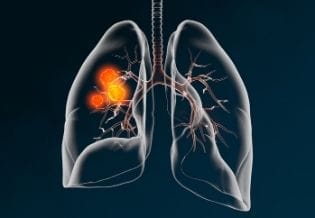
About the Journal of Lung Cancer Epidemiology
A peer-reviewed, open access platform advancing population-based research on lung cancer patterns, risk factors, prevention strategies, and health systems responses worldwide.
JLCE welcomes submissions that address lung cancer through population health lenses. Our scope encompasses epidemiologic research that characterizes disease patterns, identifies risk factors, evaluates screening programs, and informs public health strategies for lung cancer prevention and control.
Incidence, prevalence, mortality trends, geographic variation, temporal patterns, and demographic disparities in lung cancer burden.
Case-control studies, cohort analyses, nested case-control designs, and risk factor quantification using robust epidemiologic methods.
Tobacco smoke, radon, air pollution, asbestos, workplace hazards, and other environmental determinants of lung cancer risk.
Population-level studies of genetic susceptibility, biomarkers, gene-environment interactions, and molecular signatures in cancer epidemiology.
Cancer registry methodologies, surveillance systems, data quality, reporting standards, and trend monitoring for public health intelligence.
Population-based screening programs, risk stratification tools, cost-effectiveness analyses, implementation science, and health services research.
Tobacco control policies, cessation interventions, primary prevention, health promotion campaigns, and policy evaluation.
Socioeconomic gradients, racial/ethnic disparities, geographic inequities, social determinants, and health equity research.
Survival analysis, disease modeling, prediction algorithms, spatial epidemiology, Bayesian methods, and methodological innovations.
Researchers choose JLCE for our commitment to methodological excellence, transparent peer review, and rapid dissemination of high-quality population health research. Our editorial process is designed to support authors while maintaining rigorous academic standards.
- Open Access Model: All articles are freely available worldwide, maximizing research impact and policy influence without paywalls.
- Rigorous Peer Review: Expert epidemiologists and biostatisticians evaluate methodological quality, statistical rigor, and population health relevance.
- Efficient Timeline: Typical review process of 4-6 weeks with transparent author communication at every stage.
- Global Indexing: Articles indexed in major databases including Google Scholar, ensuring discoverability by researchers and policymakers.
- Interdisciplinary Dialogue: Platform for collaboration between epidemiologists, public health practitioners, policymakers, and prevention scientists.
- Ethical Standards: COPE-aligned editorial policies ensure research integrity, transparency, and ethical conduct throughout publication.
- Diverse Content Types: Original research, systematic reviews, meta-analyses, methodological papers, and brief communications.
- Health Equity Focus: Emphasis on research addressing disparities, social determinants, and equitable cancer control strategies.
JLCE offers multiple submission pathways to accommodate author preferences. Our streamlined process ensures efficient handling while maintaining thorough peer review.
Manuscript Submission
Submit via online form, email to [email protected], or Manuscript Zone. Include cover letter, manuscript file, figures/tables, and supplementary materials.
Editorial Screening
Editorial team assesses scope fit, methodological soundness, and ethical compliance. Authors receive acknowledgment within 48-72 hours.
Peer Review
Manuscripts undergo rigorous review by epidemiologists and biostatisticians. Reviews focus on study design, analytical methods, interpretation, and population health significance.
Decision & Revision
Authors receive detailed feedback and editorial decision (accept, minor/major revision, or reject). Revised manuscripts are re-evaluated promptly.
Production & Publication
Accepted manuscripts enter production for copyediting, formatting, and proofreading. Authors approve final proofs before online publication.
Indexing & Dissemination
Published articles are promoted through academic databases and social channels for maximum visibility.
JLCE operates on an open access model to ensure unrestricted access to lung cancer epidemiology research. Article Processing Charges (APCs) cover editorial operations, peer review coordination, production, and permanent online hosting. Detailed APC information and waiver policies are available on our APC page.
Advance Lung Cancer Epidemiology Research
Join the global community of researchers contributing to evidence-based lung cancer prevention and control. Submit your population health research to JLCE and amplify your impact on public health policy and practice.