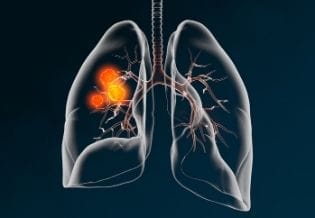
Aims & Scope
The Journal of Lung Cancer Epidemiology publishes rigorous population-level research examining the distribution, determinants, and prevention of lung cancer across diverse populations, with emphasis on surveillance methods, risk factor analysis, and public health interventions.
Research Domains
Epidemiologic Surveillance & Trends
- Incidence and mortality patterns across populations
- Geographic and temporal trend analysis
- Cancer registry data quality and methods
- Survival analysis and prognostic modeling
- Age-period-cohort modeling
- Burden of disease assessments
"Temporal trends in lung cancer incidence among never-smokers in East Asia: A population-based registry analysis, 2000-2020"
Risk Factor Epidemiology
- Tobacco exposure assessment and dose-response
- Secondhand smoke and environmental tobacco
- Occupational carcinogen exposure (asbestos, radon, silica)
- Air pollution and particulate matter
- Dietary and lifestyle factors
- Gene-environment interactions
"Occupational diesel exhaust exposure and lung cancer risk: A nested case-control study in transportation workers"
Molecular & Genetic Epidemiology
- Genetic susceptibility and familial aggregation
- Genome-wide association studies (GWAS)
- Population-level biomarker validation
- Polygenic risk score development
- Epigenetic modifications in populations
- Pharmacogenomics and population response
"Polygenic risk scores for lung cancer prediction in multi-ethnic cohorts: Validation and clinical utility assessment"
Prevention & Screening Epidemiology
- Screening program effectiveness and outcomes
- Low-dose CT screening implementation
- Risk-based screening strategies
- Tobacco cessation program evaluation
- Primary prevention policy impact
- Cost-effectiveness of interventions
"Population-level impact of lung cancer screening implementation: A natural experiment using national registry data"
Health Disparities Research
Socioeconomic, racial/ethnic, and geographic inequalities in lung cancer burden, access to screening, and survival outcomes across populations.
Methodological Innovation
Novel statistical methods, causal inference approaches, machine learning applications for risk prediction, and big data analytics in lung cancer epidemiology.
Policy Evaluation
Assessment of tobacco control policies, environmental regulations, occupational safety standards, and healthcare policy impacts on population-level outcomes.
Global Health Perspectives
International comparisons, low- and middle-income country studies, migration and lung cancer risk, and cross-cultural epidemiologic patterns.
E-cigarette Epidemiology
Population-level studies of vaping prevalence, long-term health effects, and regulatory impact on lung cancer risk trajectories.
Climate Change & Lung Cancer
Environmental exposures related to climate change, wildfire smoke, and changing air quality patterns affecting lung cancer epidemiology.
Precision Prevention
Population implementation of risk-stratified prevention strategies, personalized screening algorithms, and targeted intervention programs.
Article Types & Editorial Priorities
Fast-Track Review
Standard Review
Exceptional Circumstances Only
Editorial Standards & Requirements
Reporting Guidelines
STROBE for observational studies, PRISMA for systematic reviews, CONSORT for trials, RECORD for routinely collected data
Data Transparency
Data sharing statement required. Code and analysis scripts encouraged. Public data repositories preferred when feasible.
Ethics Compliance
IRB/ethics committee approval required for human subjects research. Informed consent documentation. GDPR compliance for EU data.
Preprint Policy
Preprints welcomed on recognized servers (medRxiv, bioRxiv). Does not affect consideration. Must be disclosed at submission.
Decision Metrics
We are committed to efficient, transparent editorial processes that respect authors' time and effort.